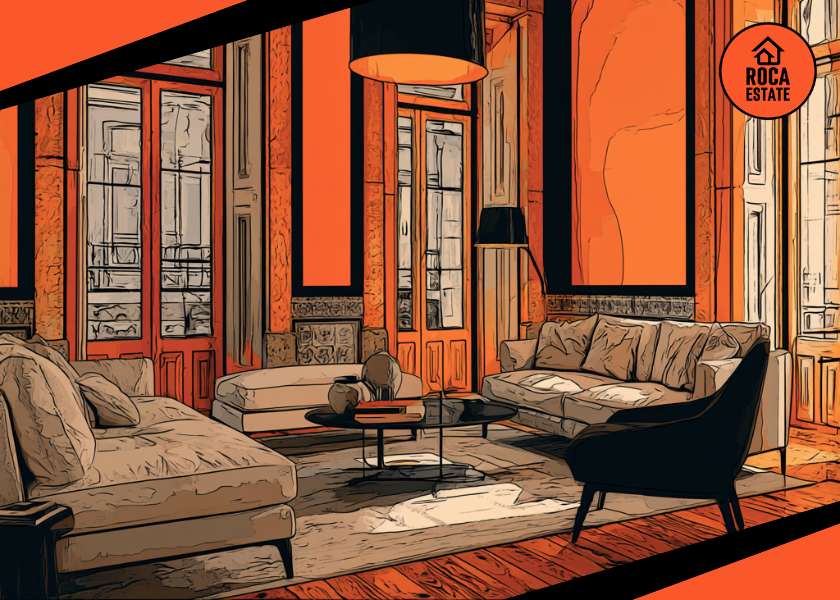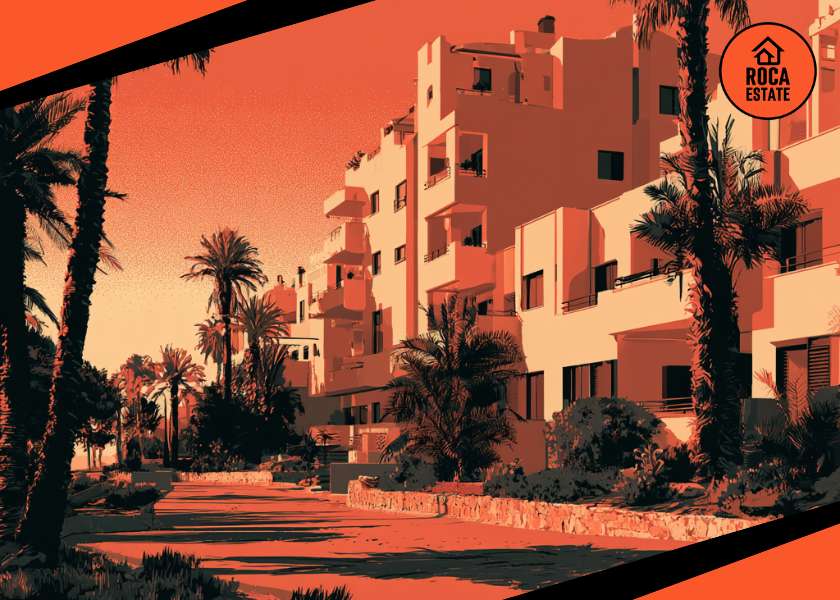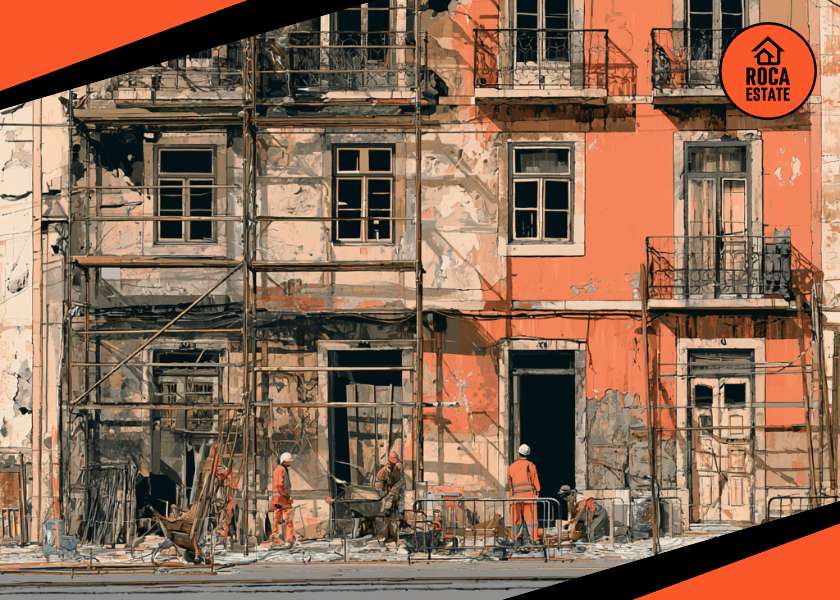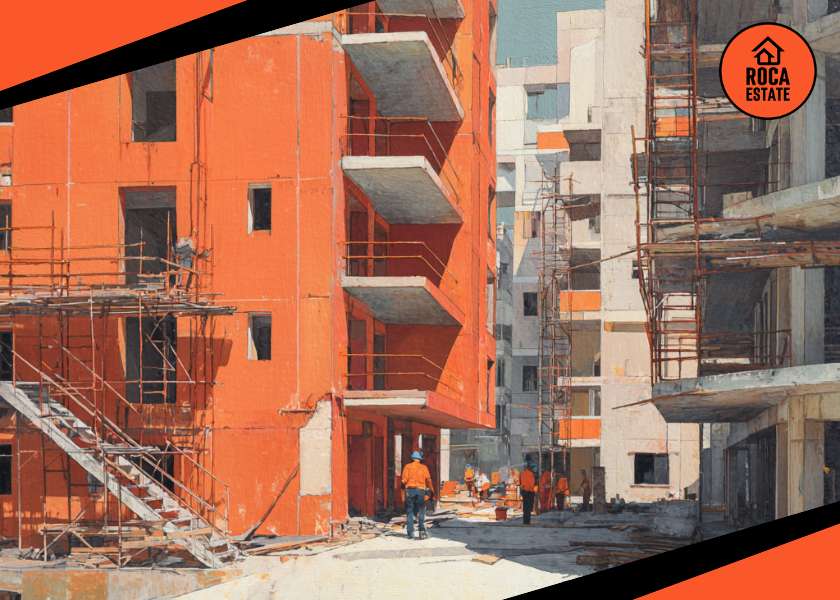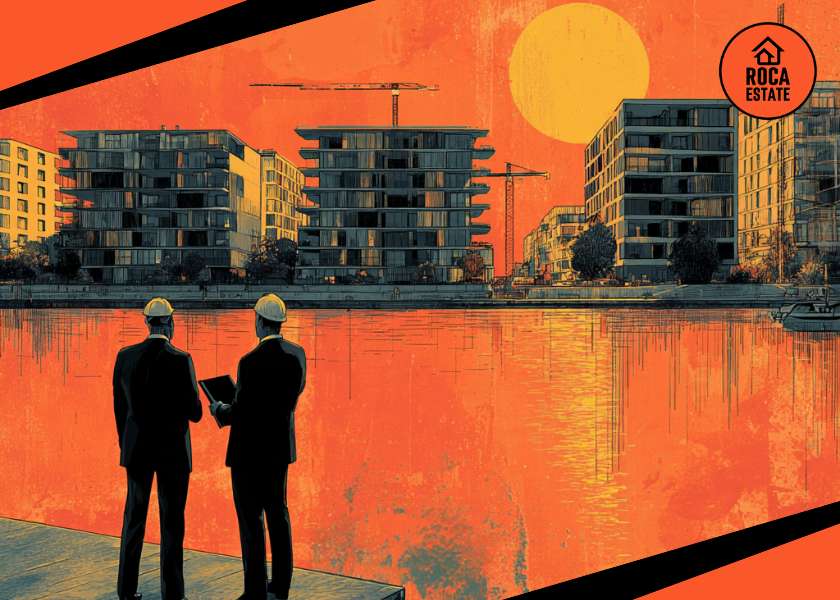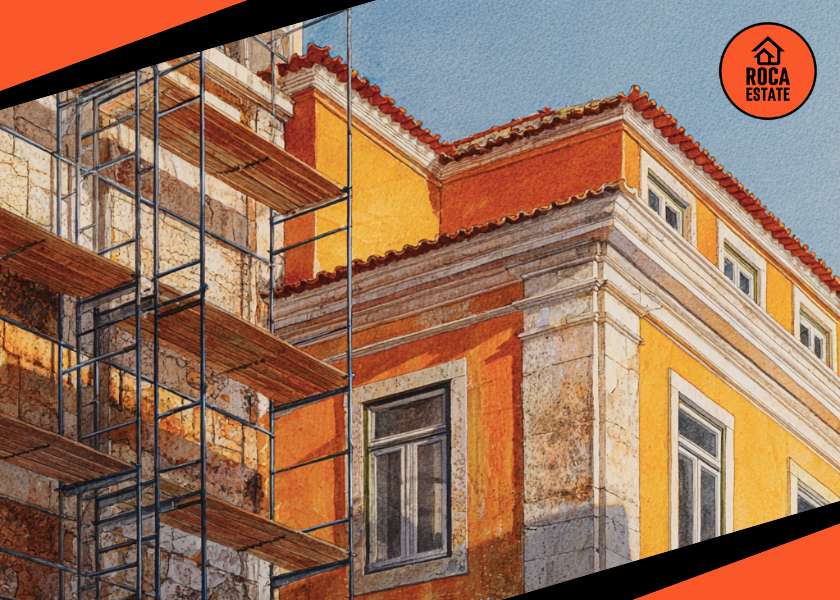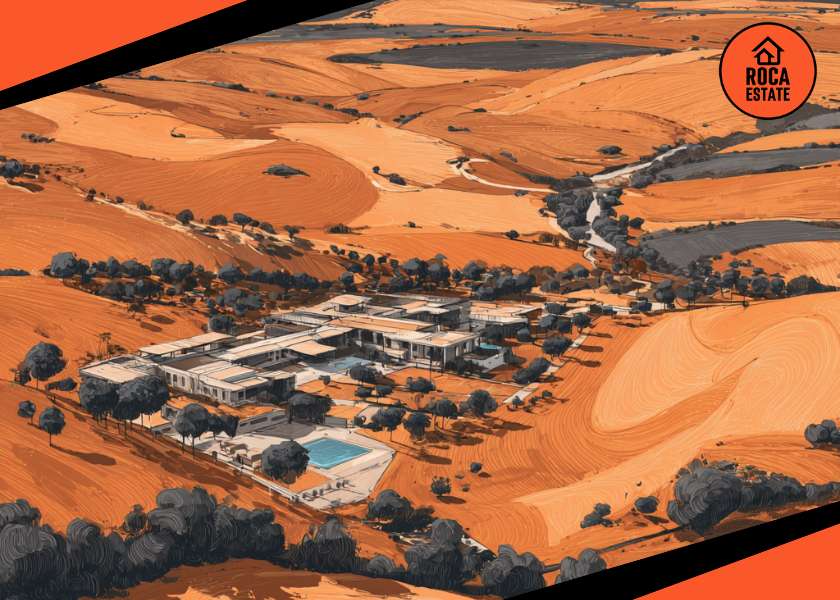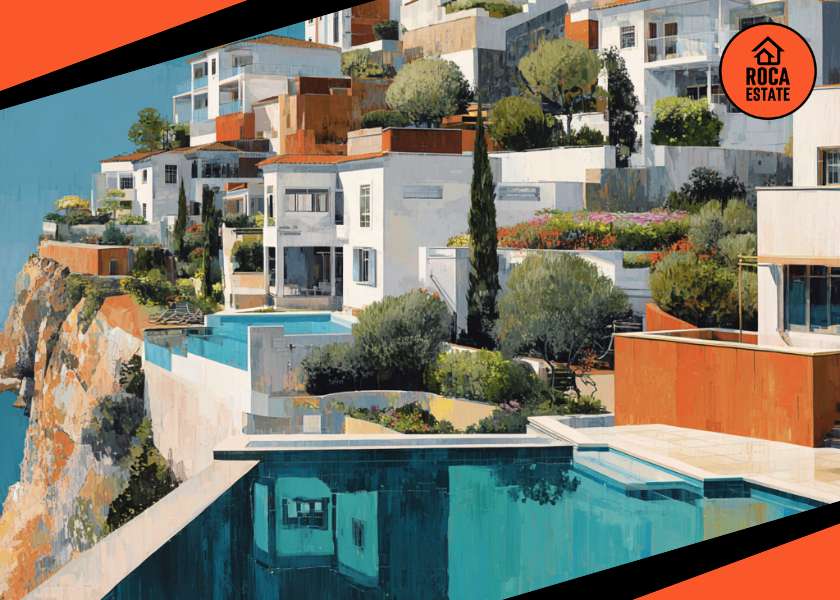
Buying, renovating, or developing property in Portugal can be highly profitable — but only when the architectural and licensing process is handled correctly from the beginning.
A beautiful property idea is not enough. Before construction, renovation, expansion, or change of use, the project must be checked against local planning rules, municipal regulations, technical requirements, and legal documentation. In Portugal, this process is mainly governed by the RJUE — Regime Jurídico da Urbanização e da Edificação — and has been significantly affected by the Urban Planning Simplex, introduced by Decree-Law No. 10/2024. (Diário da República)
At Roca Estate, we help clients understand what is possible, what is risky, and what needs to be approved before money is spent on design, construction, or acquisition.
Why Architecture and Licensing Matter in Portugal
Many investors and buyers underestimate how important licensing is. A property may look attractive, but it may have hidden problems: illegal extensions, outdated documentation, incorrect use classification, construction limits, heritage restrictions, rural land limitations, or missing municipal approvals.
These issues can affect:
- Whether you can renovate or expand the property;
- Whether the property can be used for residential, commercial, hospitality, or tourism purposes;
- Whether a bank will finance the acquisition or construction;
- Whether you can legally rent, operate, or resell the asset;
- Whether the investment exit strategy is realistic.
The recent reforms were designed to simplify urban licensing, reduce unnecessary administrative steps, and increase responsibility for qualified technicians, but municipalities still play a central role, and each project must be checked case by case. (Municipio de Lisboa)
What Is Included in the Architecture and Licensing Process?
Architecture and licensing are the full process of transforming an idea into an approved, compliant, buildable project.
It usually includes:
- Feasibility analysis of the property or land plot;
- Design and concept creation;
- Architectural solutions;
- Preparation of all required documentation for project approval;
- Submission and follow-up with the municipality;
- Coordination with architects, engineers, and legal advisors;
- Obtaining construction permits or the applicable municipal approval;
- Supervision of the project approval process until works can legally begin.
In practice, the exact route depends on the type of work, municipality, property classification, applicable planning instruments, and whether the project falls under licensing, prior communication, exemption, or another procedure.
Step 1: Feasibility Study Before You Buy or Build
Before acquiring a property or starting a project, the first question should be: What can legally be done here?
This means checking:
- The land registry and property documentation;
- The municipal master plan, known as the PDM;
- Building capacity and construction limits;
- Existing licenses and legal use;
- Restrictions related to protected areas, agriculture, ecology, coastline, heritage, or infrastructure;
- Whether the intended use is allowed;
- Whether the existing construction matches the municipal records.
This stage is essential for investors. It helps avoid buying a property based on assumptions that later prove impossible to execute.
Step 2: Design and Concept Creation
Once the legal and planning potential is clear, the design concept can be developed.
This is where the commercial vision meets architectural reality. For example, a buyer may want to convert a villa into a boutique guesthouse, transform a commercial space into housing, renovate an old building into apartments, or create a tourism project on rural land.
The concept must consider:
- Client objectives;
- Construction budget;
- Target market;
- Planning restrictions;
- Licensing route;
- Future rental or resale strategy;
- Operational requirements.
A good concept is not just beautiful. It must be legally viable, financially logical, and technically realistic.
Step 3: Architectural Project and Documentation
After the concept is defined, the architectural project is prepared by qualified professionals. This normally includes drawings, technical descriptions, area schedules, compliance statements, and all documentation required by the municipality.
Portugal introduced Portaria No. 71-A/2024 to identify the documentary elements required for urban planning procedures under the RJUE. (files.diariodarepublica.pt)
Depending on the project, additional specialist projects may also be needed, such as:
- Structural engineering;
- Water and sewage;
- Electricity;
- Gas;
- Thermal performance;
- Acoustic performance;
- Fire safety;
- Accessibility;
- Telecommunications;
- Energy certification;
- Landscaping or external works.
The more complex the asset, the more important coordination becomes. Residential villas, commercial units, hotels, local accommodation projects, warehouses, and mixed-use properties may all require different technical approaches.
Step 4: Project Submission and Municipal Approval
The project is then submitted to the relevant municipality.
Depending on the type of works, the procedure may involve:
- A licensing process;
- Prior communication;
- Prior information request, known as PIP;
- Exemption from prior control;
- Specific approvals from external authorities.
The Urban Planning Simplex changed several procedures, including the elimination or simplification of certain permits and administrative steps. However, this does not mean that every project can start automatically. Technical responsibility, correct documentation, and compliance with planning rules remain essential. (MdME | Forward Thinking Law.)
In 2026, Portugal also published Law No. 9-B/2026, authorizing the Government to further revise the urban licensing framework, including the RJUE and urban rehabilitation rules. This means the regulatory environment continues to evolve. (Diário da República)
Step 5: Construction Permits and Start of Works
Once the project has the required municipal approval or applicable procedural clearance, the construction phase can begin.
Before starting work, it is important to confirm:
- The correct legal title to begin construction;
- Payment of municipal fees, where applicable;
- Appointment of responsible technicians;
- Contractor documentation;
- Construction book and site obligations;
- Health and safety requirements;
- Insurance and liability matters.
What many people call a “building permit” may now be represented differently depending on the procedure, especially after the Simplex reforms. Still, the key principle remains the same: works must be legally supported before they start.
Step 6: Completion, Use, and Future Sale
Licensing does not end when construction is finished.
At completion, the project must be properly closed with the municipality, and the final documentation must match the works executed. In many cases, the previous use authorization procedure has been simplified or replaced by the submission of technical responsibility documents, especially where works were already subject to prior control. (MdME | Forward Thinking Law.)
This is very important for resale, financing, rental, insurance, and future investor due diligence.
A property with unclear licensing may still be sold in some cases, but it can create significant risk for the buyer. For investment properties, this risk can reduce liquidity and negatively affect valuation.
Common Licensing Risks in Portugal
The most common problems we see are:
❌ Extensions built without approval;
❌ Converted garages, annexes, or attics not reflected in documentation;
❌ Rural buildings are advertised as if they can be freely expanded;
❌ Commercial spaces used as housing without proper conversion;
❌ Old buildings with unclear legal status;
❌ Properties in protected or restricted zones;
❌ Projects designed before checking the PDM;
❌ Buyers assuming that “existing construction” automatically means “legal construction.”
These issues can delay a project, increase costs, reduce bankability, or make the intended business model impossible.
How Roca Estate Helps
Roca Estate supports clients through the full architecture and licensing journey in Portugal.
Our role is to coordinate the process, protect the client’s investment, and make sure the project is commercially and legally aligned from the beginning.
We help with:
✅ Property and land feasibility checks;
✅ Investment-oriented project concept creation;
✅ Coordination with architects and engineers;
✅ Supervision of the approval process;
✅ Review of licensing risks before acquisition;
✅ Communication with municipalities and technical teams;
✅ Documentation control;
✅ Construction permit follow-up;
✅ Strategic advice on the best use of the property.
Our approach is simple: before investing in construction, renovation, or acquisition, you need to know what is legally possible, how long it may take, what documentation is needed, and whether the final project makes financial sense.
Before You Start Your Project in Portugal
Whether you are buying a villa, renovating an apartment building, converting a commercial property, developing land, or planning a hospitality project, the architecture and licensing process should be one of the first steps — not the last.
A well-managed approval process can save months of delays, prevent expensive mistakes, and protect the future value of your asset.
Planning to buy, renovate, or develop property in Portugal?
Roca Estate can help you assess the opportunity, structure the project, coordinate the architecture and licensing process, and move from concept to approval with confidence.