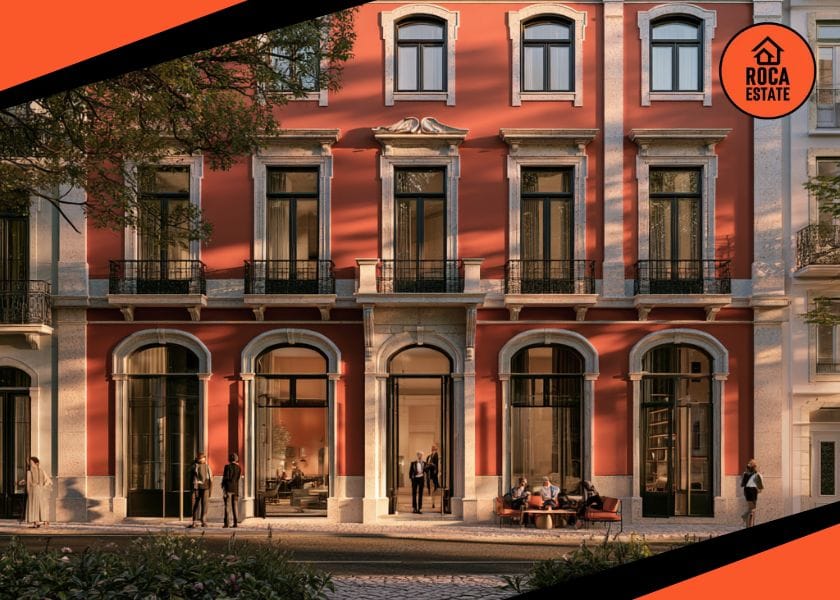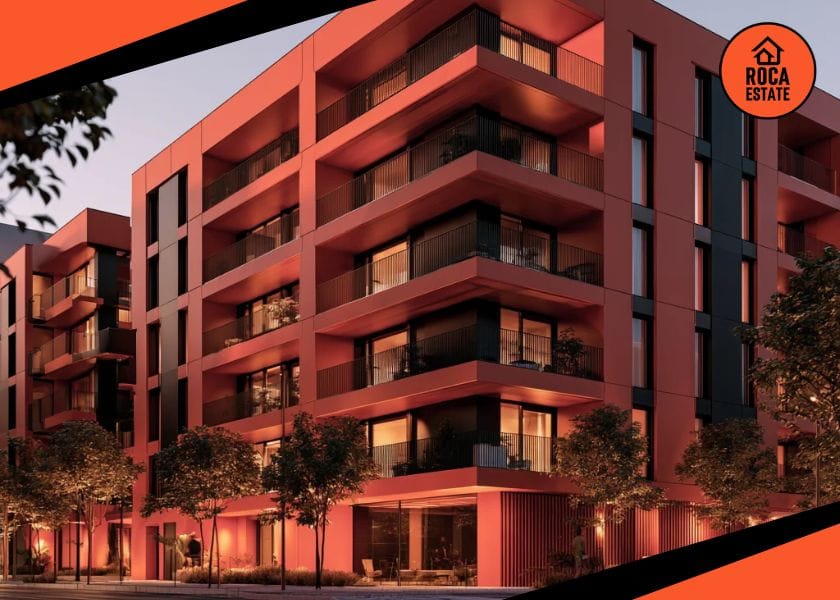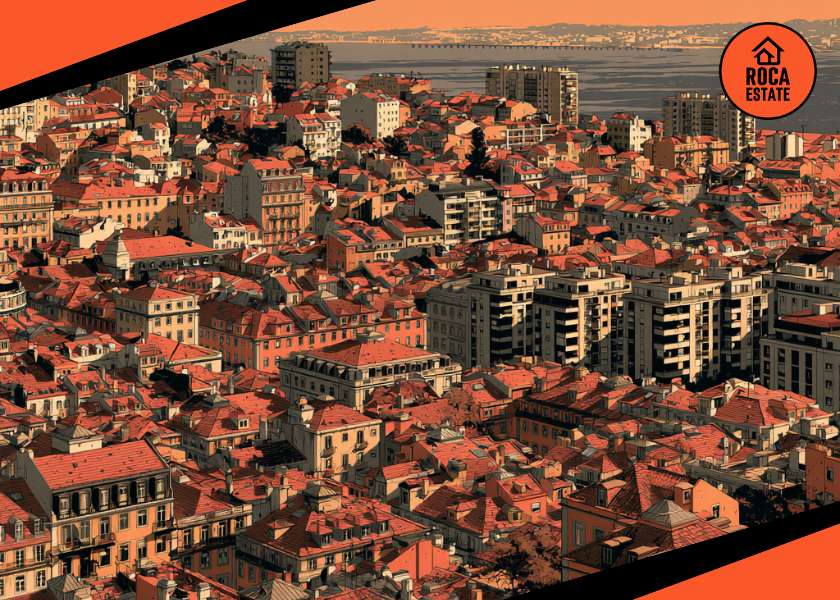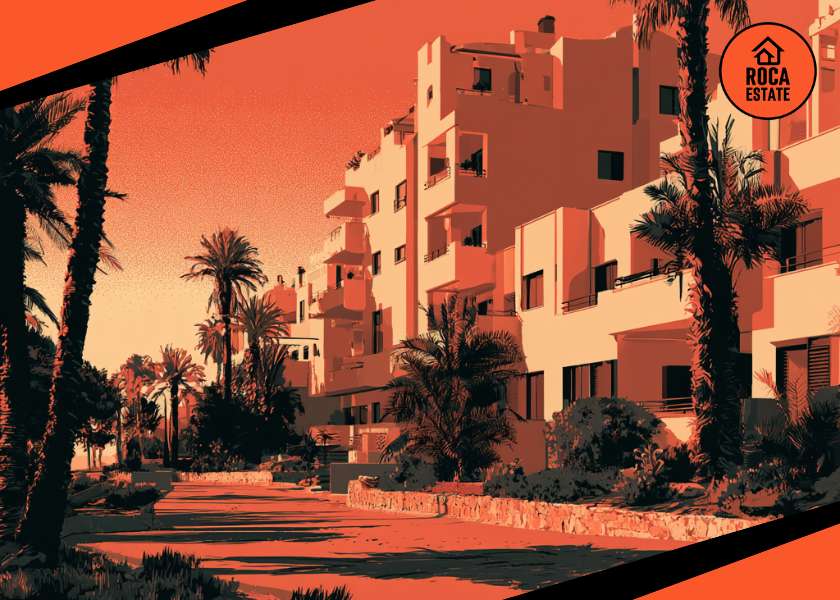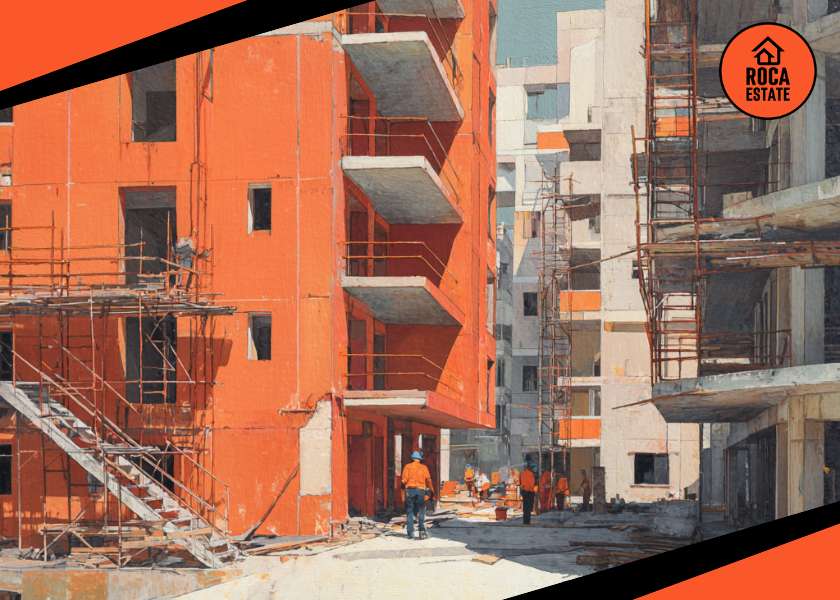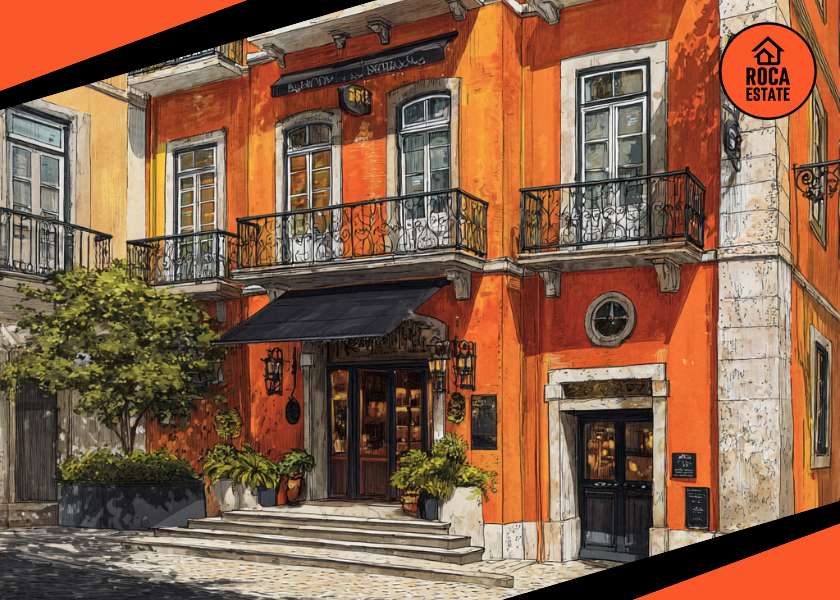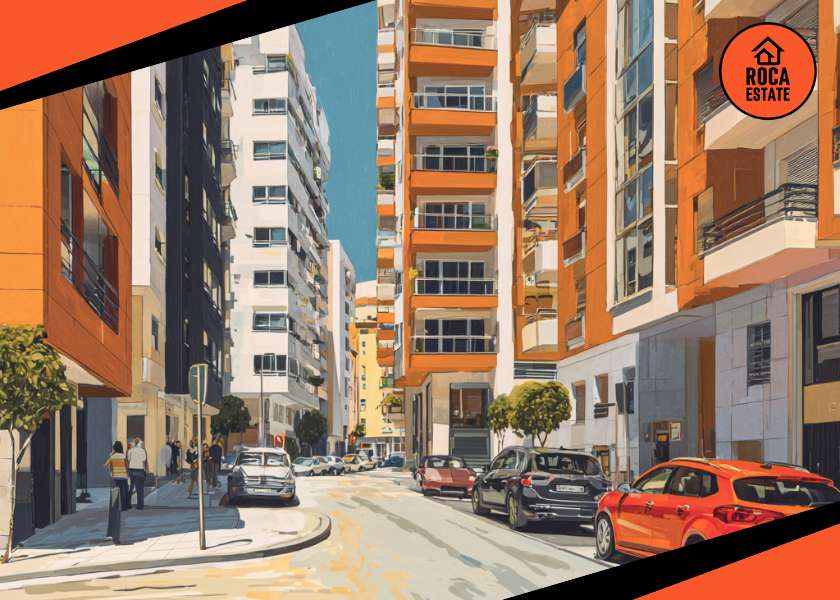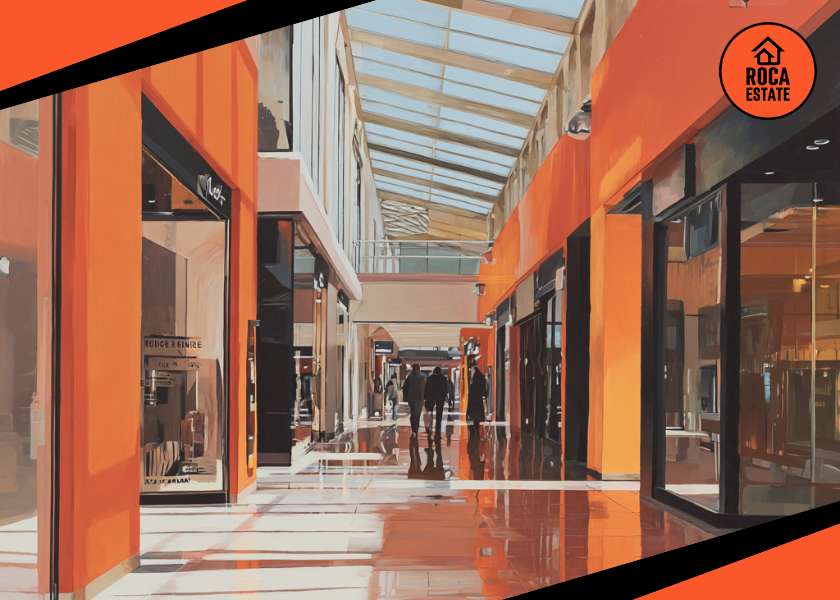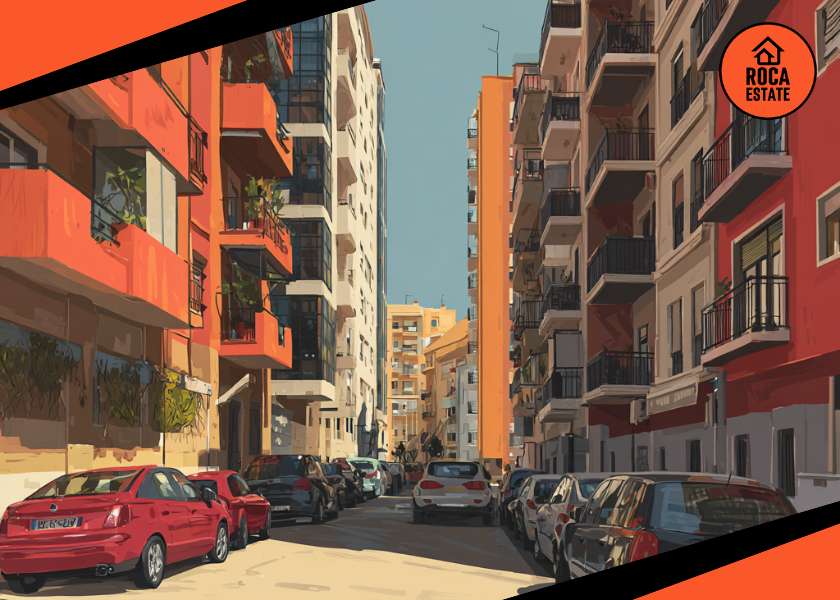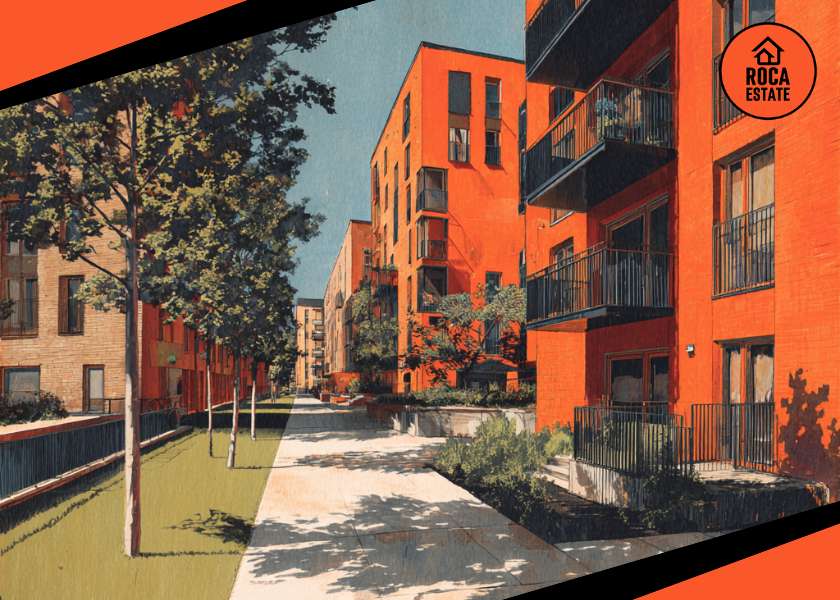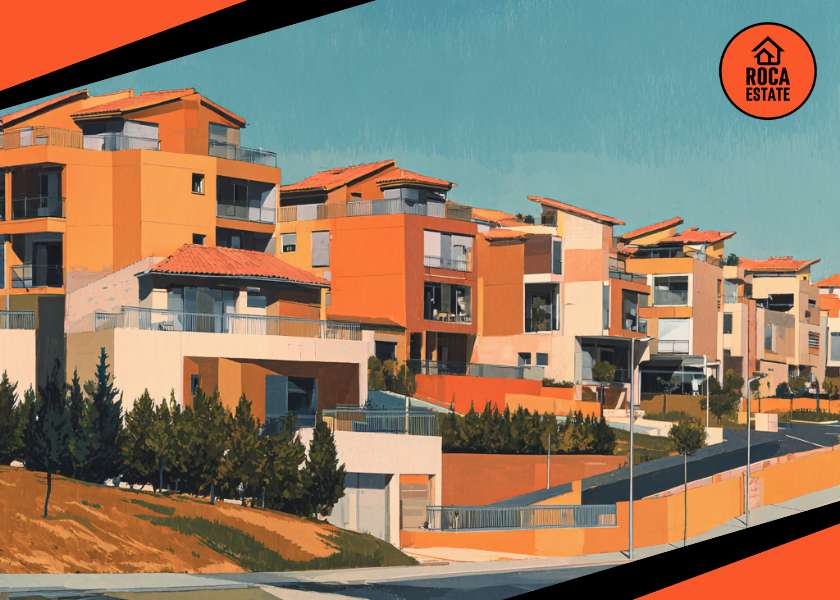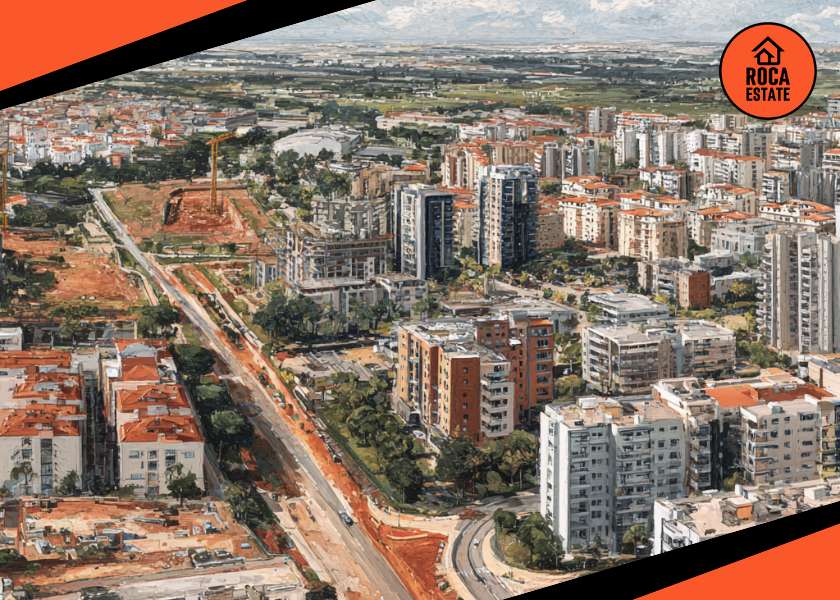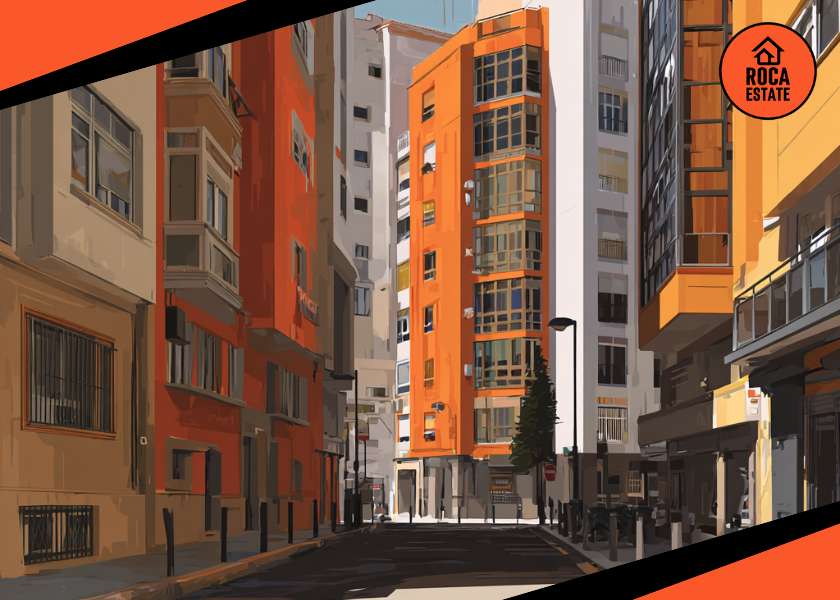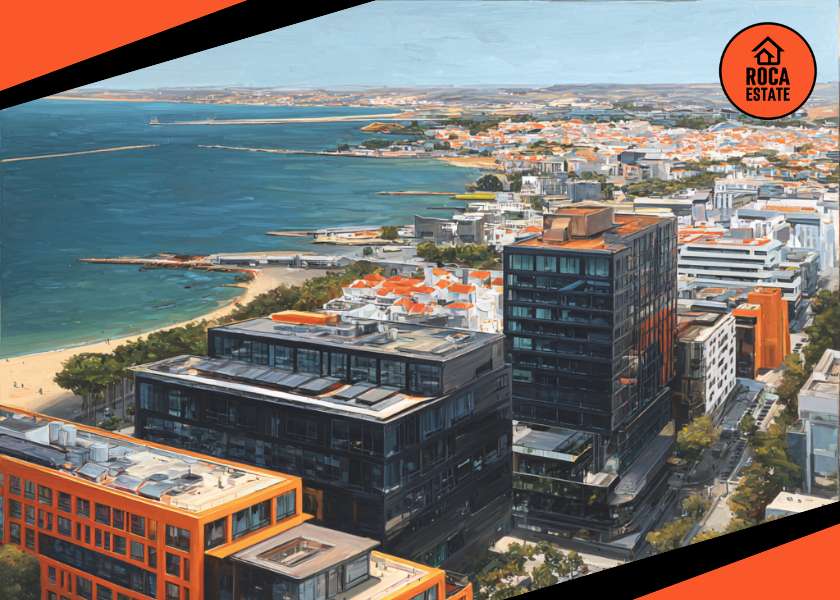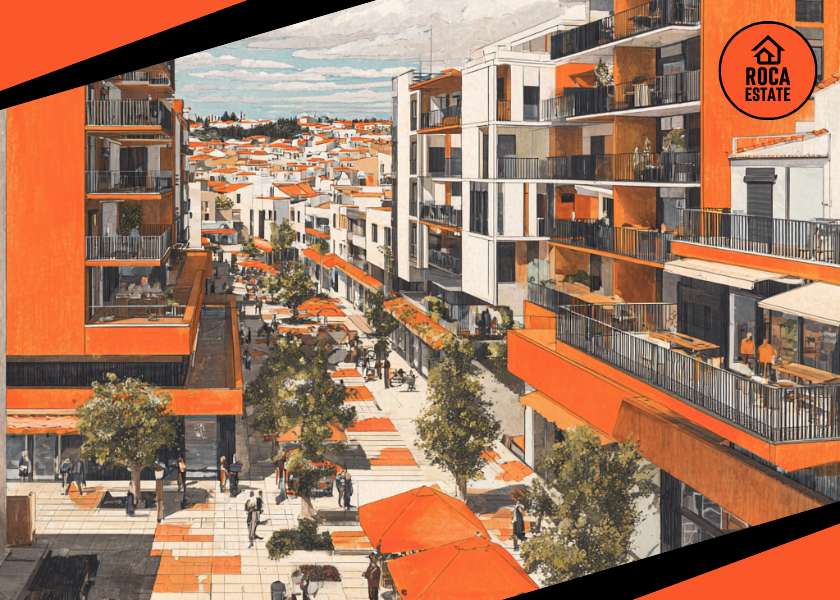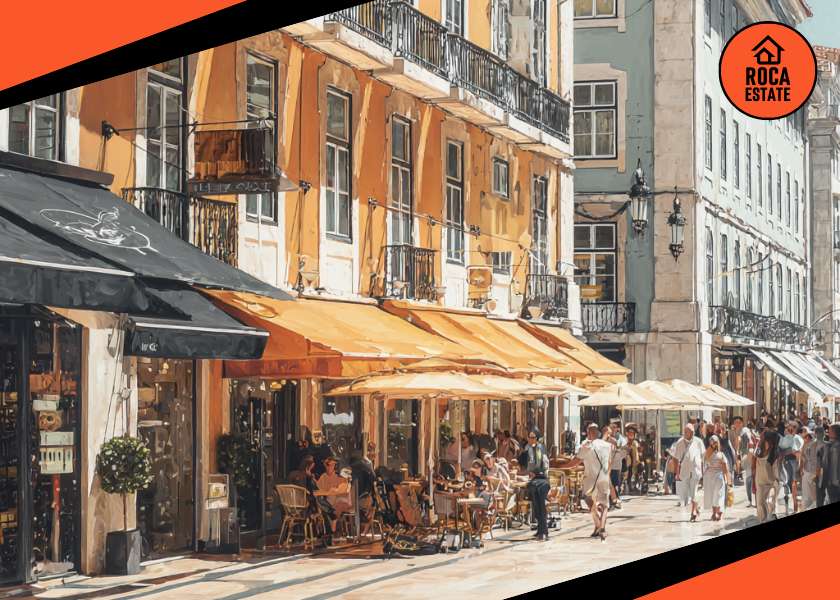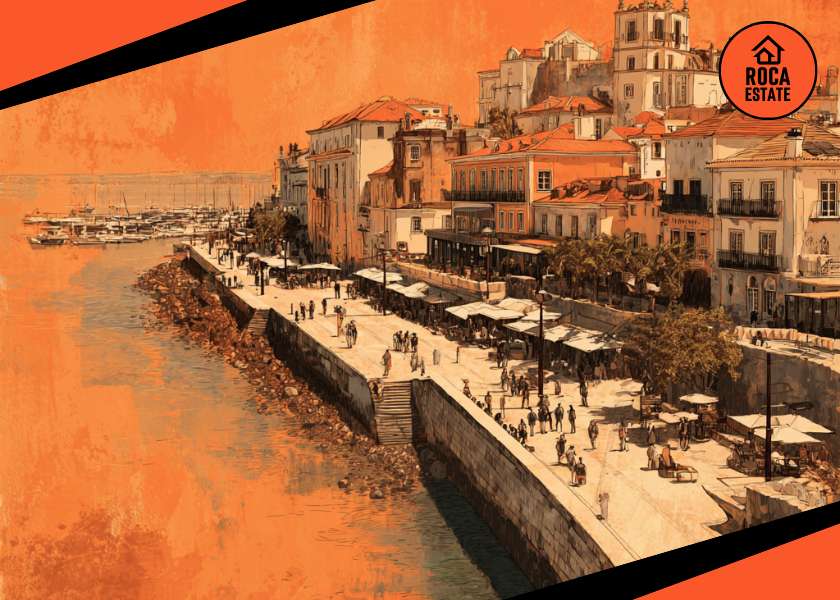
In the context of commercial real estate in Portugal, street retail refers to retail units located on the ground floor of buildings, directly accessible from the street. Unlike units within shopping malls or retail parks, these spaces are integrated into the urban environment, typically situated in high-traffic areas of city centers, tourist districts, or residential neighborhoods. They often house cafes, boutiques, pharmacies, fashion stores, and other daily-use or lifestyle-driven tenants.
In recent years, street retail in Portugal has gained renewed significance as a strategic asset class. Several structural trends are driving this resurgence:
- A shift in consumer behavior toward local, experiential shopping
- Recovery and diversification of tourism
- A return to urban walkability and neighborhood-centric retail
- Investor preference for tangible, inflation-hedging assets with stable rental flows
According to Savills’ Investment Outlook 2024, retail investment in Portugal reached €1.1 billion in 2024, with street-level retail in urban centers accounting for a growing share of this volume, especially in Lisbon and Porto. These assets are increasingly favored for their long-term income stability, particularly in prime high-street locations where rental demand remains strong and vacancy rates are low.
As competition for prime commercial assets intensifies across Europe, Portugal stands out due to its relatively low entry costs, attractive yields, and growing international visibility. For investors looking to balance risk and return, retail property investment in Portugal – especially in street-level units – offers an appealing mix of capital preservation and upside potential.
In this article, we provide a comprehensive briefing on street retail in Portugal: what makes it unique, how the market is performing, and why it continues to attract both domestic and international capital. Whether you’re looking to diversify a real estate portfolio or make a targeted acquisition in a key Iberian market, this analysis will help you understand the dynamics shaping Portugal’s high-street retail sector.
What Is Street Retail and Why It Matters
Street retail in the context of commercial real estate in Portugal refers to ground-floor retail units that have direct access from the street, typically found in busy pedestrian zones, main city avenues, or neighborhood streets. Unlike shopping malls or retail parks, street retail units operate independently, often occupying part of mixed-use buildings in dense urban environments.
These assets play a crucial role in Portugal’s urban retail space for several reasons:
Key Features of Street Retail as an Asset Class
- Visibility and accessibility: Direct street access enhances brand exposure and footfall.
- Urban integration: These properties are closely tied to daily life, benefiting from consistent local traffic and neighborhood loyalty.
- Flexibility of use: They support a wide range of tenants – retailers, food and beverage operators, service providers, and increasingly, lifestyle or hybrid concepts.
- Stable cash flow: In core locations, leases tend to be stable and long-term, with reliable anchor tenants and low turnover.
This combination of functionality, location dependency, and flexibility makes street retail in Portugal a defensive asset class, particularly in prime urban locations like Lisbon and Porto, where demand for visible, walk-in retail space remains strong.
How Street Retail Differs from Shopping Centers and Retail Parks
| Feature | Street Retail | Shopping Centers | Retail Parks |
| Location | Embedded in city centers | Suburban or standalone | Outskirts/edge of towns |
| Ownership model | Standalone units | Centralized management | Often owner-occupied or fully leased |
| Tenant mix | Boutique, local, and flagship stores | Chain stores, anchors | Large-format retailers (e.g., furniture, electronics) |
| Consumer flow | Organic, based on street traffic | Destination-driven | Vehicle-based access |
| Experience | Highly localized, lifestyle-driven | Controlled, artificial environment | Functional, transactional |
Why Investors Are Increasingly Considering Street Retail
- Resilience to macroeconomic shocks
High-street retail in Portugal has shown consistent performance even during downturns. Post-pandemic data from Cushman & Wakefield shows a rapid recovery in occupancy and rent levels in Lisbon and Porto, with retail rental yields in Portugal holding steady in the 4.5–6% range in core zones. - Diversified tenant demand
From luxury fashion and gourmet food to co-working cafes and service providers, street retail supports a wide tenant mix, reducing dependency on any single retail category. - Inflation protection and index-linked leases
Many leases are indexed to inflation or include upward-only rent reviews, making this segment particularly attractive in today’s inflationary environment. - Capital appreciation potential
Investors often acquire underperforming units in strategic locations, then upgrade or re-lease them to stronger tenants at higher rents – a common value-add strategy in retail property investment in Portugal. - Alignment with urban development goals
Municipalities in Lisbon, Porto, and other cities are prioritizing urban renewal, walkability, and mixed-use development, reinforcing the strategic role of street retail in the city fabric.
Street retail’s blend of visibility, adaptability, and urban connectivity positions it as a unique, resilient asset within the commercial real estate market. As demand for lifestyle-oriented, street-level retail continues to evolve, so too does investor interest in these properties as a source of long-term value.
Market Overview: Street Retail in Portugal’s Commercial Real Estate Landscape
The street retail Portugal segment has steadily evolved from a traditional asset class to a strategic investment opportunity. Backed by Portugal’s strong urbanization trends, tourism flows, and rising consumer confidence, the market has demonstrated resilience and adaptability, especially in prime locations across Lisbon and Porto.
According to Savills’ Real Estate Market Overview Q2 2024, retail investment represented €1.2 billion of the total €3.6 billion invested in commercial real estate in Portugal in 2023. Within that, street-level retail in high-traffic areas accounted for a growing portion, particularly from international investors seeking diversified exposure in Southern Europe.
Demand Trends and Occupancy Rates
Portugal’s urban retail corridors remain in high demand, particularly in city centers where footfall and visibility are strongest.
- Lisbon: Prime high-street zones such as Avenida da Liberdade and Baixa-Chiado maintain occupancy rates above 92%, per JLL’s 2024 Retail Snapshot.
- Porto: Rua de Santa Catarina and the Aliados district are approaching 90% occupancy, with new demand driven by lifestyle brands and food & beverage operators.
- Emerging cities like Braga and Coimbra report increasing activity, though at smaller transaction volumes and slightly higher vacancy rates (10–15%).
Rental Yields and Lease Terms
Retail rental performance remains attractive by European standards, offering solid yields with moderate risk.
| Location | Prime Rent (€/m²/month) | Average Gross Yield (%) |
| Lisbon | €100–€140 | 4.5%–5.0% |
| Porto | €55–€80 | 5.0%–5.5% |
| Secondary Cities (Braga, Faro) | €25–€45 | 5.5%–6.5% |
(Source: Savills Portugal, 2024)
Lease terms in high-street retail typically span 5 to 10 years, with inflation-linked indexation becoming more common. Tenants are often responsible for maintenance and service charges, which supports more stable net operating income for investors.
Tenant Mix: Local vs International Brands
Portugal’s high street retail sector benefits from a balanced tenant ecosystem:
- International brands like Zara, Mango, Nespresso, and Nike dominate flagship spaces in Lisbon and Porto.
- Local operators are reclaiming space in historic districts, often occupying smaller units with strong neighborhood appeal.
- F&B growth: A significant driver of new leases, particularly for specialty cafes, fast-casual concepts, and wine bars, adding experiential value to the streetscape.
According to CBRE, food and beverage accounted for 37% of new high-street leases signed in Portugal in 2023 – a shift from the pre-pandemic dominance of fashion retailers.
Tourism as a Retail Demand Catalyst
Portugal welcomed over 31 million tourists in 2024, a record high according to the Instituto Nacional de Estatística. Urban retail corridors are major beneficiaries, especially:
- Lisbon: Tourists account for 30–40% of total retail spending in the city center.
- Porto: Increasing international visibility has driven foot traffic up by over 20% compared to 2019 levels (JLL, 2024).
High tourist exposure supports retail performance, justifying higher rents and sustaining tenant demand, even as local consumption fluctuates.
Street retail has proven itself as one of the most resilient and adaptive segments of retail property investment in Portugal. High occupancy, healthy yields, diversified tenant bases, and continued tourist inflows are reinforcing investor confidence in Portugal’s urban retail assets.
Location Focus: Lisbon, Porto, and Other Emerging Areas
In the landscape of retail property investment in Portugal, location is the defining variable. High-street retail performance varies sharply by city, neighborhood, and even street segment. Portugal’s two main urban hubs – Lisbon and Porto – remain the focal points for institutional investors, but demand is gradually expanding to secondary cities with growing economies and urban development plans.
Lisbon: Portugal’s Flagship Retail Market
The Lisbon street retail market is the country’s most established and liquid, underpinned by strong domestic demand, year-round tourism, and a mature luxury and fashion sector.
Key Zones:
- Avenida da Liberdade: Often compared to Paris’ Champs-Élysées, this is Lisbon’s premier luxury corridor. It hosts brands like Louis Vuitton, Cartier, and Prada.
- Prime rents: €100–€140/m²/month
- Yield range: 4.5%–5.0% (Source: Savills Portugal, 2024)
- Tenant mix: Predominantly international luxury, with increasing interest from upscale hospitality groups.
- Prime rents: €100–€140/m²/month
- Baixa-Chiado & Rua Augusta: High pedestrian traffic, driven by tourism and metro access. These areas attract both mid-range fashion and F&B tenants.
- Average footfall: Up to 90,000 pedestrians/day in peak tourist season (JLL, 2024)
- Vacancy rate: Under 8% in core stretches
- Average footfall: Up to 90,000 pedestrians/day in peak tourist season (JLL, 2024)
- Príncipe Real & Campo de Ourique: Known for lifestyle retail, concept stores, and boutique cafés. High relevance for investors targeting Portugal’s urban retail space with an experiential edge.
Urban dynamics: Lisbon’s city council is actively supporting urban regeneration projects (e.g., Arco do Cego and Entrecampos redevelopments), which are expected to boost demand for retail space in adjacent areas.
Porto: A Rising Force in High-Street Retail
The Porto retail property trends reflect a fast-maturing market that combines tourism momentum, digital nomad attraction, and an increasing young population. While prime rents are lower than in Lisbon, so are acquisition costs, offering strong potential for capital appreciation.
Key Zones:
- Rua de Santa Catarina: Porto’s main retail artery, blending fashion, electronics, and fast food.
- Prime rents: €55–€80/m²/month
- Footfall: ~60,000 pedestrians/day (CBRE, 2024)
- Tenants: Fnac, Inditex Group, H&M, and international cafés
- Yield range: 5.0%–5.5%
- Prime rents: €55–€80/m²/month
- Avenida dos Aliados: Increasingly attractive for flagship and experience-driven tenants due to its architecture, walkability, and urban vibrancy. Significant municipal investment in public realm upgrades is underway.
- Miguel Bombarda District: An emerging cluster for art galleries, boutique stores, and concept retail – suited for investors with a lifestyle or cultural positioning strategy.
Emerging Areas: Secondary Cities with Strategic Appeal
Investors are beginning to explore retail real estate opportunities beyond the “big two” cities, targeting regions with strong demographics and improving infrastructure.
Notable Markets:
- Braga: Portugal’s third-largest city, home to a large student population and a growing tech sector. Retail units near Avenida Central are seeing increased investor interest.
- Yields: 6.0%–6.5%
- Vacancy: 10–12% (expected to decrease with new development zones)
- Yields: 6.0%–6.5%
- Faro: Tourism-centric capital of the Algarve. Opportunities lie in well-located high-street units catering to seasonal and luxury tourism. F&B demand is surging.
- Coimbra: University city with a strong student-driven retail economy, especially for services and affordable retail. Lower rents but consistent tenant demand.
Footfall Dynamics: The Driving Force Behind Performance
High-street retail in Portugal correlates closely with foot traffic and public space quality. According to the 2024 JLL Retail Insights:
- Lisbon’s Baixa-Chiado zone sees the highest footfall nationwide, especially in Q2–Q4, boosted by festivals and cruise ship tourism.
- Porto’s Santa Catarina and Aliados areas report year-over-year pedestrian growth of over 15%, a sign of deepening retail resilience and consumer engagement.
Tourist-driven footfall, paired with strong local spending, is a key reason why high-street assets in these zones outperform more isolated formats like retail parks in terms of tenant stability and rental growth.
For investors seeking retail exposure in Portugal, focusing on location remains essential. Lisbon offers liquidity and brand prestige, Porto brings growth potential and lower entry costs, and emerging cities provide higher yields with room for long-term repositioning.
Performance Drivers and Risk Factors in Street Retail Investment
For investors evaluating retail property investment in Portugal, understanding the key profitability drivers and risk exposures is essential. While street retail offers compelling yield and resilience advantages, its performance is shaped by a complex mix of economic, structural, and regulatory factors. This section outlines what influences income stability and capital appreciation, and where the vulnerabilities lie.
Core Performance Drivers
1. Foot Traffic and Urban Density
Pedestrian volume is the strongest leading indicator of performance in high street retail. According to CBRE’s 2024 report, locations with over 50,000 daily pedestrians see average rent premiums of 15–20% compared to lower-traffic areas. In Lisbon’s Baixa-Chiado and Porto’s Rua de Santa Catarina, high consistent footfall supports low vacancy and stronger lease renegotiation leverage.
2. Lease Terms and Tenant Profile
Typical lease structures for prime street retail units in Portugal span 5–10 years, often with:
- Inflation-linked rent escalation
- Triple net lease (NNN) structures, shifting maintenance costs to tenants
- Break clauses after the first term, allowing for portfolio optimization
Strong tenant covenants – especially from international brands or F&B operators with proven cash flows – significantly reduce credit risk and support valuation premiums.
3. Property Condition and Frontage
Units with renovated facades, wider frontages, and high ceiling height command higher rents and lower turnover. Investors often employ light refurbishment or reconfiguration strategies to unlock value in older units in central locations, especially in Lisbon and Porto.
4. Infrastructure and Urban Development
Major urban regeneration and transit infrastructure upgrades directly boost the viability of adjacent retail zones. For example:
- Lisbon’s Entrecampos redevelopment is expected to bring ~3,000 new residents and workers, increasing local retail demand.
- Porto’s metro expansion toward Campanhã will make eastern retail corridors more attractive over the next 3–5 years.
These projects tend to reduce long-term vacancy risk and increase capital appreciation potential for nearby properties.
Risk Factors to Consider
1. E-Commerce and Changing Retail Mix
Despite street retail’s relative resilience, non-experiential retail categories (e.g., electronics, fast fashion) remain exposed to online competition. However, experiential and service-based tenants – cafés, salons, niche fitness, and concept stores – are helping shift the risk profile. According to JLL, over 45% of new leases signed in 2023 were for service or lifestyle uses, not traditional retail.
2. Regulatory Constraints
Zoning laws, licensing restrictions, and heritage protection rules can limit investor flexibility:
- In Lisbon’s historic core, façade renovations or signage changes may require municipal approval.
- Some districts restrict conversions between retail and hospitality uses, limiting repositioning options.
Investors should ensure due diligence on urban planning designations and licensing status prior to acquisition.
3. Tourism Dependency in Certain Zones
While tourism is a key performance driver, it can also create volatility. Districts heavily reliant on seasonal visitors – like Lisbon’s Alfama or parts of the Algarve – saw sharper rent fluctuations during the COVID-19 years. Diversified tenant mixes and locations with strong residential or office population bases tend to perform more consistently.
4. Inflation and Interest Rate Sensitivity
Though indexed leases help protect revenue, rising construction and financing costs can impact development or refurbishment ROI. Portugal’s prime lending rates in early 2025 remain elevated (around 4.2% according to Banco de Portugal), increasing acquisition financing costs and compressing leverage margins.
For investors in commercial real estate in Portugal, street retail remains a structurally sound segment, but with localized risks that demand due diligence, location analysis, and asset-level strategy. Understanding these factors enables portfolio optimization and stronger long-term returns.
Evolving Consumer Behavior: Shaping the Future of Street Retail in Portugal
Understanding consumer behavior shifts is vital for anyone looking to invest in street retail. The post-pandemic period, coupled with accelerating lifestyle trends, has redefined how people interact with retail spaces. From a preference for local products to the demand for hybrid experiences, these changes are directly influencing the type of tenants that thrive in Portugal’s urban retail space – and the returns investors can expect.
Post-COVID Reset: Local, Walkable, and Experience-Oriented
During and after the COVID-19 lockdowns, consumer habits shifted toward localized, convenience-driven retail. That shift has persisted and even strengthened.
- According to Savills’ Retail Outlook 2024, 68% of urban consumers in Portugal now prefer to shop within walking distance of their home.
- The demand for open, accessible, and human-scale retail environments is fueling interest in high street retail in Portugal, especially in mixed-use, residential-heavy districts.
For investors, this reinforces the long-term appeal of retail assets embedded in livable urban neighborhoods versus isolated retail parks or malls.
The Rise of Lifestyle-Driven Tenants
Traditional anchor tenants – fashion, electronics, fast food – are giving way to lifestyle-focused businesses that offer more than a transactional experience.
Top Emerging Tenant Categories:
- Cafés and specialty food: Artisanal coffee shops, wine bars, vegan eateries
- Concept stores: Retail spaces that merge art, fashion, and social interaction
- Health and wellness: Boutique gyms, yoga studios, wellness clinics
- Hybrid venues: Bookstore cafés, coworking + retail spaces, community pop-ups
These tenants typically look for flexible spaces, distinctive architecture, and locations with strong foot traffic and cultural value – conditions met by many Lisbon street retail market and Porto retail property trends locations.
CBRE reports that 40% of new street-level leases signed in Lisbon in 2023 involved non-traditional retail tenants, reflecting a broader pivot toward mixed-use and lifestyle-oriented commercial ecosystems.
Implications for Property Design and Usage
With new tenant profiles come new requirements. Investors should be aware of how design trends and space expectations are evolving in the street retail market:
- Smaller but more versatile units: Tenants seek functional layouts with options for indoor/outdoor blending, such as retractable fronts or sidewalk seating.
- Aesthetic and authenticity value: Older buildings with preserved architectural details often command a premium, especially in neighborhoods like Lisbon’s Príncipe Real or Porto’s Miguel Bombarda district.
- Technology integration: Smart point-of-sale systems, QR-based menus, and click-and-collect integrations are now expected by both tenants and customers.
These demands impact not only tenant mix and turnover but also CAPEX strategies for landlords, making design foresight a component of ROI planning.
The Consumer Base: Tourists + Residents + Digital Nomads
Portugal’s street retail economy increasingly serves three overlapping consumer groups:
- Residents: Sustained daily demand for essentials, services, and neighborhood shopping
- Tourists: High seasonal impact, especially on fashion, souvenirs, and F&B
- Digital nomads/expats: Growing in urban hubs; they support lifestyle and premium retail
- According to the Instituto Nacional de Estatística, Lisbon alone hosted over 6 million tourists in 2024.
- Meanwhile, the number of registered digital nomads in Portugal grew by 23% year-over-year, concentrated in Lisbon, Porto, and coastal towns like Cascais and Lagos.
This mixed customer base creates a demand environment that is dynamic but increasingly stable, as year-round residents offset seasonal volatility and tourists fuel high-margin consumption.
Consumer behavior in Portugal is evolving – but in ways that benefit well-located, adaptable street retail assets. Investors who align with current tenant trends and design expectations can unlock consistent rental growth and reduced vacancy, especially in diversified, pedestrian-friendly districts.
Conclusion and Investor Takeaway
As we’ve seen throughout this briefing, street retail in Portugal is evolving into one of the most strategically resilient segments of the commercial real estate market. Its strength lies in its adaptability to consumer behavior shifts, urban regeneration, and macroeconomic headwinds.
From the high-yield, high-visibility corridors of Lisbon to the fast-developing urban retail zones in Porto, and now increasingly across emerging cities like Braga and Faro, street-level retail offers investors access to durable income, capital growth potential, and long-term market relevance.
Why Street Retail Remains a Strategic Asset Class
- Solid rental yields: Prime retail rental yields range from 4.5% to 6.5%, with lower volatility than other commercial segments (Savills, 2024).
- High occupancy in core areas: Over 90% in Lisbon and Porto, supported by tourism, urban density, and diversified tenant demand (JLL, CBRE).
- Strong tenant interest: Driven by the rise of experiential, lifestyle, and hybrid retail formats.
- Consumer resilience: A blend of local residents, international tourists, and digital nomads fuels steady retail demand throughout the year.
- Urban development: Infrastructure investments in Lisbon and Porto are unlocking new zones for future appreciation and income growth.
Key Investor Strategies for 2025 and Beyond
- Target walkable, mixed-use districts with high footfall and tourism exposure.
- Balance exposure between prime and value-add assets – acquiring underutilized units in emerging areas can yield strong returns with proper repositioning.
- Focus on tenant mix stability: Favor operators in food & beverage, health & wellness, and experiential retail.
- Plan for ESG compliance: Investors should consider energy efficiency and accessibility upgrades to future-proof assets and meet regulatory expectations.
Ready to Invest in Portugal’s Street Retail Market?
At Roca Estate, we specialize in commercial real estate investments in Portugal that deliver attractive net yields of 5-6%, with a focus on prime and emerging real estate opportunities in Lisbon, Porto, and other high-growth urban markets.
Our team combines deep market knowledge with access to exclusive, pre-vetted retail properties, ranging from flagship high-street units to value-add investments in rising districts. Whether you’re seeking steady income, portfolio diversification, or long-term appreciation, we help you invest in street retail in Portugal with confidence and clarity.
Why Partner with Roca Estate:
- Access to high-performing, income-generating retail assets
- Expert due diligence and local legal advisory
- Tailored investment strategies based on your risk profile
- End-to-end support – from acquisition to asset management
Secure your next high-yield investment in Portugal.
Contact Roca Estate today to explore available opportunities or request a private consultation with our investment advisory team.
Sources: Savills Portugal – (Retail Outlook 2024, Investment Outlook 2024, Market Overview Q2 2024); Cushman & Wakefield – (Investment in Commercial Real Estate Portugal (2025)); JLL Capital Markets – (Retail Resilience: Spotlight Portugal); CBRE Portugal – (Pros and Cons of Investing in Retail Real Estate, Portugal Retail Figures Q4 2024); INE – Instituto Nacional de Estatística – (Tourism activity); Essential Business – (Retail Investment (€1.2B)); Portugal Buyers Agent – (Retail in Portugal, Commercial Real Estate in Portugal).